
Beware! Five “Normal” Foods That Could Kill Your Puppy!
Bringing a new puppy home is exciting, but many owners are unaware that some everyday foods sitting in their kitchen can be extremely dangerous—even deadly—to dogs. A puppy’s body processes certain foods very differently from humans, and what seems like a harmless snack can quickly become a medical emergency.
To help keep your furry friend safe, here are five common foods that should never be fed to puppies.
1. Chocolate

Chocolate is one of the most well-known dog toxins, yet thousands of pets are poisoned by it every year. Chocolate contains compounds called theobromine and caffeine, which dogs cannot metabolize efficiently.
Even a relatively small amount can cause symptoms such as:
– Vomiting
– Diarrhea
– Restlessness
– Rapid heart rate
– Tremors
– Seizures
Dark chocolate and baking chocolate are especially dangerous because they contain higher concentrations of theobromine. In severe cases, chocolate poisoning can be fatal.
What to do: If your puppy eats chocolate, contact your veterinarian immediately. Do not wait for symptoms to appear.
2. Grapes and Raisins
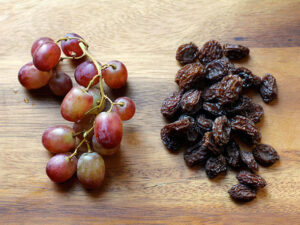
Many people are surprised to learn that grapes and raisins can cause sudden kidney failure in dogs. Researchers still do not fully understand why some dogs react so severely, but the risk is real.
Symptoms may include:
– Vomiting
– Loss of appetite
– Weakness
– Increased thirst
– Reduced urination
Some dogs become critically ill after eating only a few grapes or raisins. Because there is no known safe amount, it is best to keep them completely out of your puppy’s reach.
What to do: Seek emergency veterinary care immediately if your puppy consumes grapes or raisins.
3. Onions, Garlic, and Related Foods
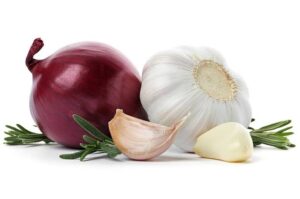
Onions, garlic, leeks, and chives belong to the Allium family. These foods can damage a dog’s red blood cells, leading to a potentially life-threatening condition called hemolytic anemia.
The danger exists whether the foods are raw, cooked, powdered, or dehydrated. Garlic is often considered less toxic than onions, but large amounts can still be harmful.
Warning signs include:
– Weakness
– Pale gums
– Rapid breathing
– Lethargy
– Dark-colored urine
Symptoms may not appear immediately and can take several days to develop.
What to do: Contact your veterinarian if your puppy has eaten onions, garlic, or foods containing onion or garlic powder.
4. Xylitol (Sugar-Free Sweetener)
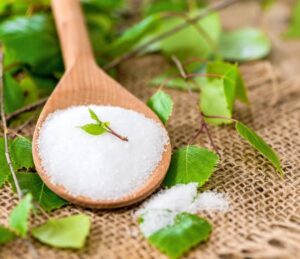
Xylitol is a sugar substitute commonly found in:
– Sugar-free gum
– Sugar-free candy
– Some peanut butters
– Baked goods
– Certain medications and dental products
While safe for humans, xylitol can trigger a massive insulin release in dogs, causing blood sugar levels to crash rapidly. It can also lead to severe liver damage.
Symptoms often appear within minutes and may include:
– Vomiting
– Weakness
– Loss of coordination
– Seizures
– Collapse
Xylitol poisoning is a veterinary emergency and can be fatal if not treated quickly.
What to do: If you suspect your puppy has consumed xylitol, seek emergency veterinary care immediately.
5. Macadamia Nuts
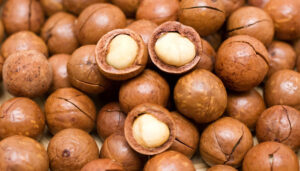
Macadamia nuts are highly toxic to dogs, although scientists are still investigating the exact cause of the reaction.
Affected dogs may experience:
– Weakness
– Tremors
– Vomiting
– Fever
– Difficulty walking
Symptoms usually develop within 12 hours of ingestion. While many dogs recover with treatment, severe cases can require hospitalization.
What to do: Contact your veterinarian if your puppy eats macadamia nuts or products containing them.
How to Protect Your Puppy
Prevention is always better than treatment. Follow these simple safety tips:
– Store dangerous foods in sealed containers.
– Keep countertops and tables clear.
– Teach children not to share snacks with pets.
– Read ingredient labels carefully.
– Keep emergency veterinary contact information readily available.
Final Thoughts
Puppies are naturally curious and often explore the world with their mouths. Unfortunately, foods that are perfectly safe for humans can be toxic—or even deadly—for dogs. Chocolate, grapes, raisins, onions, garlic, xylitol, and macadamia nuts are among the most dangerous items commonly found in households.
If your puppy eats any potentially toxic food, do not rely on internet advice alone. Contact your veterinarian or an emergency animal poison service immediately. Quick action can save your puppy’s
Leave a Reply