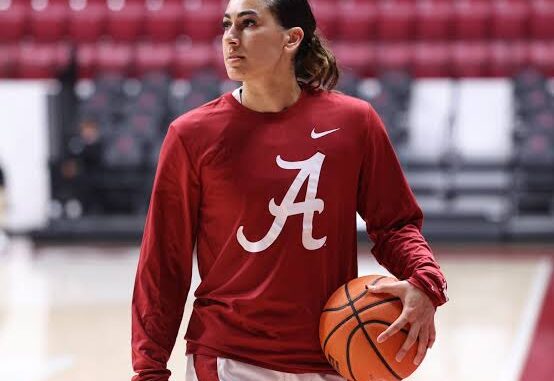
The basketball world often moves at a relentless pace. Games are played under bright lights, players chase championships, and the rhythm of competition rarely slows long enough for anyone to reflect on the fragile human stories that exist beyond the court. But every so often, something happens that causes the entire community to pause. A moment of grief can ripple through athletes, fans, and families alike, reminding everyone that sports are built on real lives and real emotions. That is exactly what happened when heartbreaking news emerged surrounding Waiata Jennings and the passing of a young man named Kaleb.
For many who followed the story, Kaleb was not simply a supporter or a casual observer of basketball culture. He was a symbol of perseverance, a young man whose life carried extraordinary weight and meaning despite the relentless challenges he faced from the day he was born. Kaleb lived with osteogenesis imperfecta, a rare genetic disorder that causes bones to break easily, often with little or no apparent cause. The condition shaped nearly every chapter of his life, but it never defined the spirit that those close to him admired so deeply.
From childhood, Kaleb endured hardships that most people could never imagine. Doctors documented more than two hundred fractures throughout his life. Each break brought hospital visits, painful recovery periods, and the constant uncertainty of when the next injury might occur. Yet those who knew him remember that he rarely complained. Instead, he carried a quiet determination that made people around him believe that courage could exist even in the most fragile circumstances.
Despite the physical toll of his condition, Kaleb refused to live in the shadow of his illness. He embraced every opportunity to advocate for others facing similar challenges, eventually becoming a national spokesperson for Shriners Children’s. Through hospital events, awareness campaigns, and personal appearances, he spoke openly about life with osteogenesis imperfecta. His message was simple but powerful: people are more than the limitations imposed on them.
Those who attended the events where Kaleb spoke often described the same unforgettable impression. He had a radiant smile that seemed to light up a room before he even said a word. It was the kind of smile that instantly put people at ease, even when he was discussing painful realities. There was also a calm confidence in the way he carried himself, as if he had long ago accepted the hardships of his life and decided to meet them with grace instead of bitterness.
For Waiata Jennings, Kaleb was far more than a public figure or inspirational speaker. He was a close friend whose presence had quietly shaped her perspective on life and resilience. Their connection formed through shared moments at community events, charity gatherings, and conversations that extended far beyond the public spotlight. In many ways, Kaleb became someone who reminded her that strength does not always look the way people expect.
Jennings, who is known for her deep involvement in the basketball community and youth outreach programs, had always believed in using sports as a platform to inspire others. Through camps, mentorship programs, and charity initiatives, she had spent years encouraging young people to believe in themselves. Yet in Kaleb, she found someone who inspired her just as much as she inspired others.
Friends say their conversations often drifted into thoughtful territory. They talked about dreams, about the unpredictable nature of life, and about the importance of leaving a positive mark on the world even when circumstances seem unfair. Kaleb had an unusual ability to shift the tone of any conversation toward hope. Even when discussing his surgeries or the countless fractures he had endured, he rarely focused on the pain. Instead, he spoke about the lessons he had learned through endurance.
It was that unwavering optimism that made the news of his passing feel so devastating to those who loved him. The announcement spread quietly at first, shared between friends and members of the community who had followed his journey. Soon, however, the story reached a much wider audience, and with it came a wave of grief that extended far beyond those who had known him personally.
For Jennings, the loss was overwhelming. In the days following Kaleb’s passing, she struggled to find words to describe the depth of her heartbreak. Social media posts and public statements could only capture fragments of the emotions she was experiencing. The basketball community, which had come to respect her voice and leadership, watched as she tried to process the unimaginable.
But it was one revelation that truly stunned everyone who heard it.
In the midst of her grief, Jennings shared that Kaleb had sent her a message shortly before his passing. According to her account, the message was unlike the calm and reassuring tone people were used to hearing from him. Instead, it carried a sense of urgency and desperation that she had never witnessed before.
She described the message as haunting.
Those who knew Kaleb struggled to reconcile the image of the composed young advocate with the idea that he had experienced such fear in his final moments. The revelation left fans speechless because it revealed a deeply human side of someone who had always appeared so strong. Even the bravest people can feel vulnerable when facing the unknown.
Jennings did not reveal every detail of the message, choosing instead to protect the privacy and dignity of her friend. But she admitted that reading those final words had shaken her in ways she was still trying to understand. The thought that Kaleb might have felt alone, frightened, or uncertain during his final moments was almost unbearable.
For many within the basketball community, the story became a powerful reminder that public courage often hides private struggles. People can appear fearless while carrying silent battles that few others see. Kaleb had spent years inspiring thousands with his message of resilience, yet even he was not immune to moments of vulnerability.
The response from fans was immediate and emotional. Messages of support flooded Jennings’ accounts as people expressed their condolences and shared memories of Kaleb’s impact on their lives. Some had met him during hospital visits or charity events. Others had only seen his speeches online. Yet the connection they felt was genuine, built on admiration for the extraordinary spirit he had shown throughout his life.
Athletes, coaches, and community leaders also joined the outpouring of support. Many spoke about how stories like Kaleb’s remind everyone why sports and outreach programs matter so deeply. Basketball is often about competition, but it also has the power to unite people around shared values like courage, compassion, and perseverance.
Jennings eventually spoke about how difficult it had been to revisit the final message Kaleb sent her. She admitted that there were moments when she wished she had responded sooner or found a way to reach him faster. That kind of guilt is common in the aftermath of sudden loss. People replay conversations in their minds, searching for clues or imagining different outcomes.
Yet those closest to her reminded her that Kaleb’s life should not be defined by his final moments. What truly mattered was the extraordinary journey he had lived and the countless lives he had touched along the way. The young man who had endured more than two hundred fractures had also delivered hundreds of smiles, speeches, and messages of hope.
His work with Shriners Children’s had been especially meaningful. By sharing his story publicly, he gave hope to families who were just beginning their own battles with osteogenesis imperfecta. Parents whose children had recently been diagnosed often found comfort in hearing Kaleb speak. He showed them that life with the condition, while difficult, could still be filled with purpose and joy.
Doctors and medical staff who worked with him also spoke about the courage he demonstrated during surgeries and recovery periods. They described him as someone who never stopped asking questions about how he could help other patients. Even while recovering from procedures, he often focused on encouraging those around him.
Jennings later reflected on how Kaleb’s influence had extended into her own work with young athletes. She had begun sharing his story during motivational talks, explaining how resilience is not always about physical strength. Sometimes it is about refusing to surrender hope even when the odds seem overwhelming.
The haunting message he sent in his final moments did not erase the courage he had shown throughout his life. If anything, it revealed the depth of the human experience he had carried with him. Courage does not mean the absence of fear. It means choosing to keep moving forward despite it.
For many fans who followed the story, the tragedy also sparked deeper conversations about how society supports people living with rare conditions. Kaleb had become a powerful advocate, but his journey also highlighted the immense challenges faced by individuals dealing with chronic medical issues. Awareness campaigns, medical research, and community support are essential parts of improving their quality of life.
In the weeks following his passing, memorial events began to take shape. Charity groups discussed ways to continue the advocacy work Kaleb had started, while youth organizations connected to the basketball community considered dedicating upcoming events to his memory. The goal was not only to honor his life but to ensure that the hope he represented would continue to reach others.
Jennings herself spoke about wanting to channel her grief into something meaningful. Though the pain of losing her friend remained overwhelming, she believed that Kaleb would have wanted people to keep pushing forward with compassion and determination. His story, she said, was not meant to end with sadness. It was meant to inspire action.
She often returned to one of the qualities that made Kaleb unforgettable: his smile. It was not just a polite expression or a momentary gesture. It was something deeper, a reflection of the optimism he carried even during the most painful chapters of his life. That smile had comforted hospital patients, inspired children, and reminded countless people that resilience can shine even through suffering.
The haunting message he left behind may have stunned the world, but those who truly understood Kaleb knew that his life was about far more than those final words. It was about every speech he gave, every child he encouraged, and every moment he chose hope over despair.
In the end, the basketball community and the wider world were left with a powerful lesson. Heroes do not always wear uniforms or score game-winning shots. Sometimes they are young men who endure unimaginable hardships yet still find the strength to uplift others.
Kaleb’s story is one of those rare narratives that transcends sports entirely. It speaks to the universal human capacity for resilience, compassion, and courage in the face of adversity. And for Waiata Jennings, the memory of her friend will forever remain a guiding light, even through the darkness of loss.
His voice may be gone, but the impact of his life continues to echo in every person he inspired to keep believing that hope is stronger than fear.
Leave a Reply