HAS COLLEGE FOOTBALL LOST ITS SOUL?
The stadium still fills. The bands still march. The fight songs still echo across campus streets like sacred hymns. Television ratings climb, sponsorships multiply, and playoff debates dominate every sports show. By every measurable business metric, college football has never been bigger.
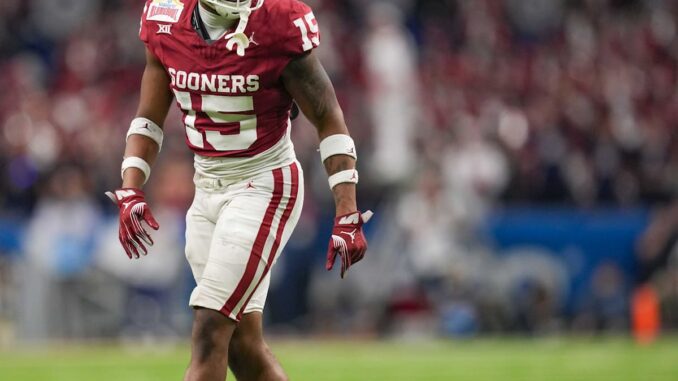
Yet in Norman, Oklahoma, a different conversation is happening in quieter places — in barber shops, church parking lots, tailgates, and old living rooms decorated with fading crimson memorabilia. Lifelong Oklahoma Sooners boosters, men and women who once built their calendars around fall Saturdays, are beginning to admit something that feels almost sinful to say aloud.
They don’t feel it anymore.
Not the same way.
Not the deep, irrational, soul-binding connection that once made college football feel less like entertainment and more like identity.
College football was never just about winning. It was about belonging. It was about wearing your school’s colors as if they were part of your DNA. It was about watching boys become men in front of your eyes, about believing that loyalty still mattered in a world that rarely rewarded it. It was about rivalries that were older than most of the fans who carried them forward. It was about tradition so strong it felt permanent.
Now, even as ratings rise and money flows faster than ever, many of those traditions feel thinner. Lighter. Easier to move, rename, sell, or replace.
The game is louder. But its heartbeat feels quieter.
Older Sooners supporters remember a time when recruiting classes felt like family introductions. You learned their hometowns, their high school coaches, their parents’ names. You followed their growth year by year. You watched them struggle, mature, and finally graduate or head to the NFL. Their stories felt connected to yours. When they left early for the draft, you wished them well, proud of their journey.
Today, rosters feel temporary. Players arrive with brand logos, leave with transfer announcements, and speak about “business decisions” before they’ve even learned the campus shortcuts. Fans don’t blame the players. They understand the world has changed. But understanding does not erase grief.
NIL money didn’t invent greed. But it made it visible. It turned locker rooms into marketplaces and recruiting visits into negotiations. It didn’t corrupt dreams — it simply monetized them.
And once something has a price, it never feels the same again.
Former Oklahoma players quietly admit the difference. In their era, the jersey meant more than the contract. Now the contract often speaks louder than the jersey. That doesn’t make today’s athletes worse people. It makes them children of a different system. But it does change the emotional relationship between fans and players.
It is harder to love what might leave tomorrow.
College football once thrived on the illusion of permanence. Stadiums felt eternal. Conferences felt stable. Rivalries felt untouchable. Coaches built legacies over decades. Players stayed close to home. Fans believed geography still mattered.
Now conferences shift like stock portfolios. Historic rivalries vanish or get repackaged as television events. Travel schedules feel more like professional leagues than campus traditions. The sport has gained national reach but lost regional intimacy.
The game became bigger by becoming less personal.
Even the playoffs, designed to bring fairness, have quietly changed the emotional center of the sport. Bowl games once felt like rewards. Now they feel like consolation prizes. Rivalry wins used to define seasons. Now they are only stepping stones toward bracket placement. The conversation is no longer about beating Texas. It is about seeding, margins, and committee opinions.
The soul of college football lived in moments that didn’t need justification. A rivalry win meant everything even if your season was already lost. A snowy upset was remembered for decades even if it didn’t change the national title picture. A senior day performance mattered even if nobody else in the country noticed.
Now everything is filtered through relevance.
If it doesn’t affect the playoff, it feels smaller.
Television executives will tell you the sport is healthier than ever. They are not lying. They are simply measuring a different kind of health. Financial health. Viewership health. Brand health.
But soul health is harder to track.
It exists in the way a fan talks about a team when no camera is watching. It exists in the way a child chooses a jersey without knowing anything about NIL deals. It exists in the way an alumnus still remembers a backup quarterback from twenty years ago because of one brave drive in a losing effort.
Those memories are not built by money.
They are built by emotional investment.
Oklahoma’s older boosters often describe the game as something that once taught patience. You waited four years for a player to develop. You waited for a coach to build a program. You waited for your turn in the rivalry cycle. The waiting was part of the love.
Now everything feels rushed. If a player doesn’t start immediately, he transfers. If a team doesn’t contend immediately, the coach is questioned. If a program doesn’t produce playoff relevance, it is considered broken.
The sport no longer allows time to breathe.
And when nothing can breathe, nothing can grow roots.
Younger fans do not necessarily see the problem. They grew up in a world of highlights, rankings, and constant movement. For them, change is normal. For older fans, change feels like erosion.
Neither side is wrong.
But the gap between them keeps widening.
There was once a belief that college football prepared young men for life beyond football. Now it often feels like football prepares young men for negotiation. That shift is subtle but powerful. Leadership is still taught, but loyalty is no longer required. Brotherhood still exists, but it is now conditional.
Former players admit they struggle to explain their own nostalgia without sounding bitter. They are not angry at today’s athletes. They are sad for the version of the game that raised them.
They miss the idea that playing for the logo meant more than playing for yourself.
They miss believing that some things were sacred.
Even coaches feel the tension. They speak carefully in public, but privately admit the job has changed. Recruiting is no longer about relationships alone. It is about management. About budgets. About politics. About keeping donors satisfied while keeping players loyal in a system that rewards movement.
The coach is no longer just a teacher. He is a negotiator, a public relations figure, a fundraiser, and a crisis manager.
The locker room is no longer just a locker room. It is a business office with shoulder pads.
Yet the game still produces magic. A walk-off touchdown. A freshman’s first roar. A rivalry comeback that feels impossible. The soul has not vanished completely.
It has simply become harder to hear.
Like an old song playing quietly in a crowded room.
The danger is not that college football is becoming professional. The danger is that it is forgetting why it was different.
Professional football is about excellence. College football was about meaning.
Professional football is about contracts. College football was about connection.
Professional football is about entertainment. College football was about belonging.
As those lines blur, the sport risks losing what made it irreplaceable.
Oklahoma fans still love their Sooners. They still show up. They still cheer. But many admit the love feels more cautious now. Less unconditional. Less romantic. More practical.
They are protecting themselves from disappointment.
And when fans protect themselves emotionally, a sport loses part of its soul.
College football doesn’t need to abandon NIL. It doesn’t need to shrink its playoffs. It doesn’t need to pretend money doesn’t matter. But it does need to remember that not everything valuable can be measured.
It needs to remember the senior who never went pro but stayed late after practice to help freshmen learn plays. It needs to remember the walk-on who became a legend without ever being famous. It needs to remember that the game was once about representing something larger than yourself.
Because once a sport forgets who it represents, it becomes just another product.
Ratings can rise while meaning falls.
Profit can grow while identity shrinks.
Success can exist while soul quietly fades.
The question is not whether college football has lost its soul.
The question is whether anyone still knows how to protect it.
The stadium lights will keep shining. The broadcasts will keep improving. The money will keep flowing. The players will keep chasing dreams. The fans will keep showing up.
But somewhere between kickoff and postgame interviews, between NIL deals and playoff debates, between tradition and transformation, college football must decide what it wants to be.
A business with fans.
Or a family with a business.
Because only one of those can truly keep a soul alive.
And somewhere in Norman, in quiet living rooms and slow conversations, lifelong Sooners supporters are still hoping the game remembers that before the last echo of its old heartbeat finally disappears.
Leave a Reply